Measuring the Unmeasurable
If an app could detect when someone nearby has romantic feelings for you, how do you define success? Turning emotions into metrics.
Writing
I use fictional worlds as a lens to examine real product and systems thinking. Everything here is published on Substack — follow along there for new pieces.
Each K-drama hides a product problem worth taking seriously — an app that detects feelings, an AR game that traps its players, an AI that might replace mentors. These essays use the show as a premise and product thinking as the method.
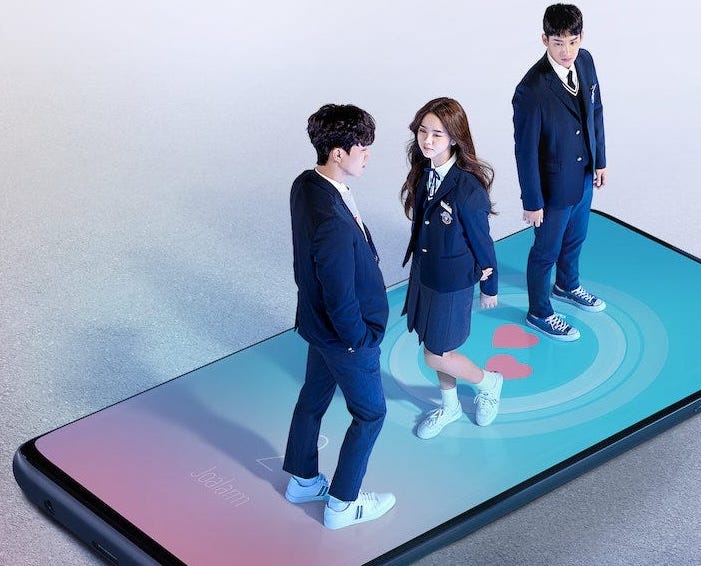
If an app could detect when someone nearby has romantic feelings for you, how do you define success? Turning emotions into metrics.

The hidden costs of scaling, safety, and ethics in immersive gaming — and why blending reality and fantasy is harder than it looks.

Can an AI ever replace a human mentor? The real-world impact of AI-guided mentorship in startups, and why we must balance technology with ethical responsibility.

If I were PM for a real-world version of Holo — an AI that understands, adapts, and connects on an emotional level — how would I actually build it?
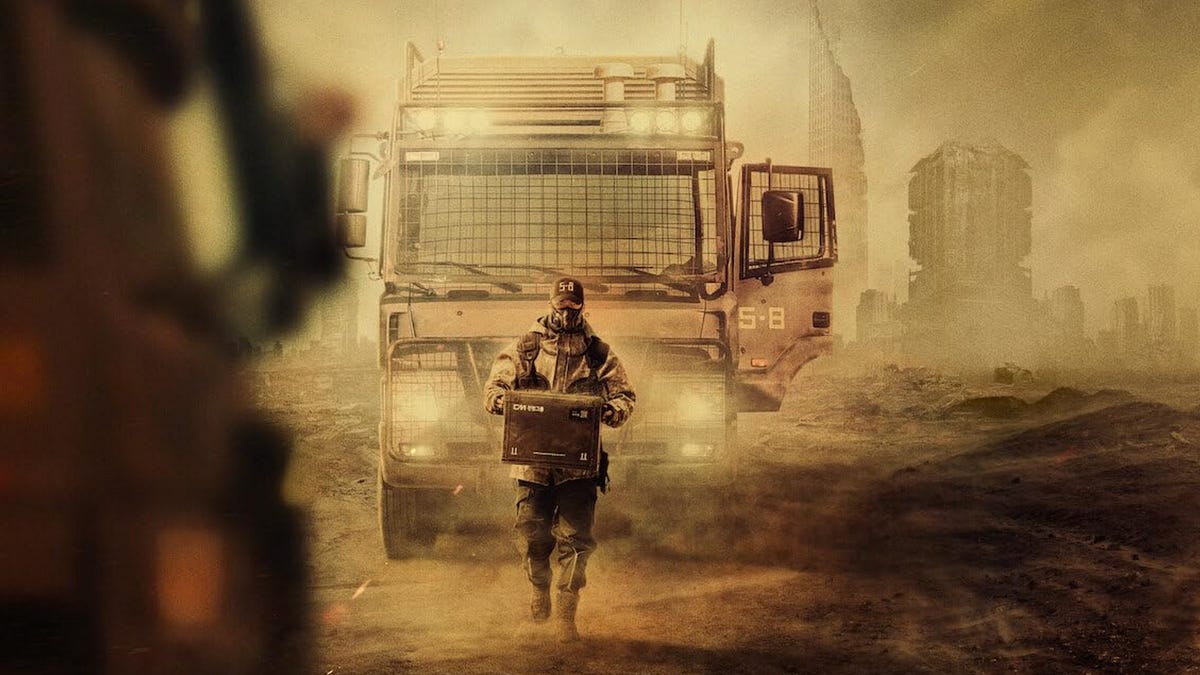
Designing product systems for survival and scarcity in a collapsing world. When survival is the only KPI, everything about good product design changes.
Every great anime has a system at its core — one that processes people, enforces rules, and eventually breaks in ways that reveal something true about power, identity, and design. These essays write PRDs for fictional systems that shouldn't exist.
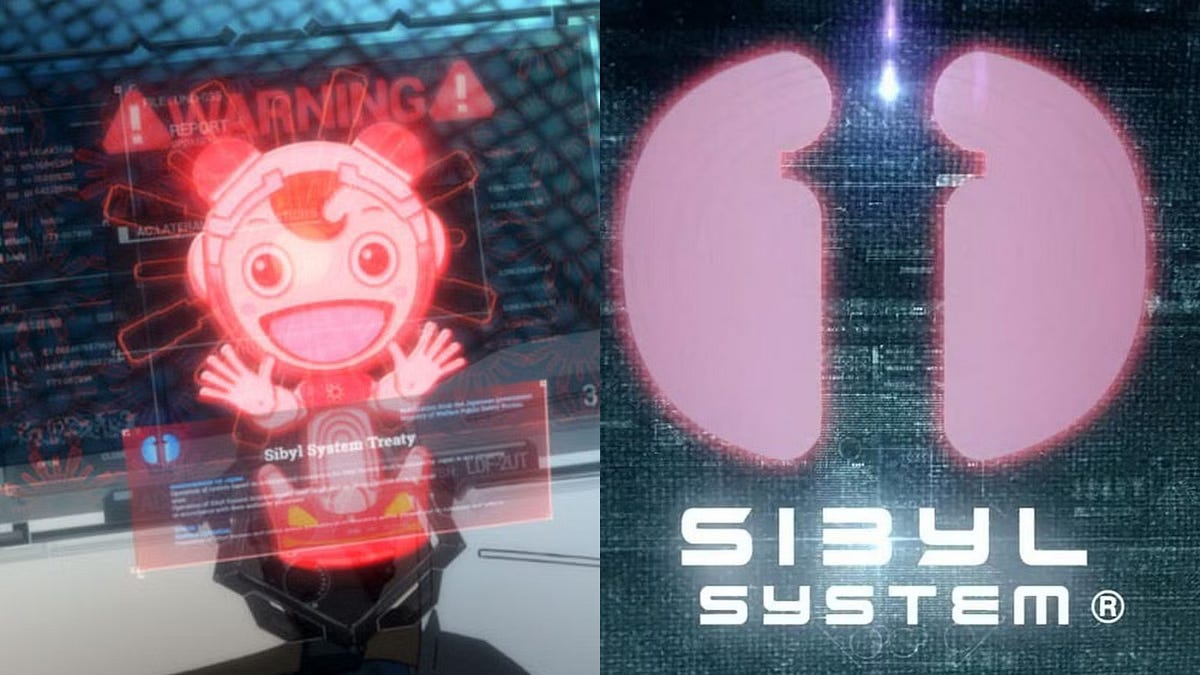
What it takes to turn complex people into real-time decisions. Action requires compression. Understanding is too slow to matter.
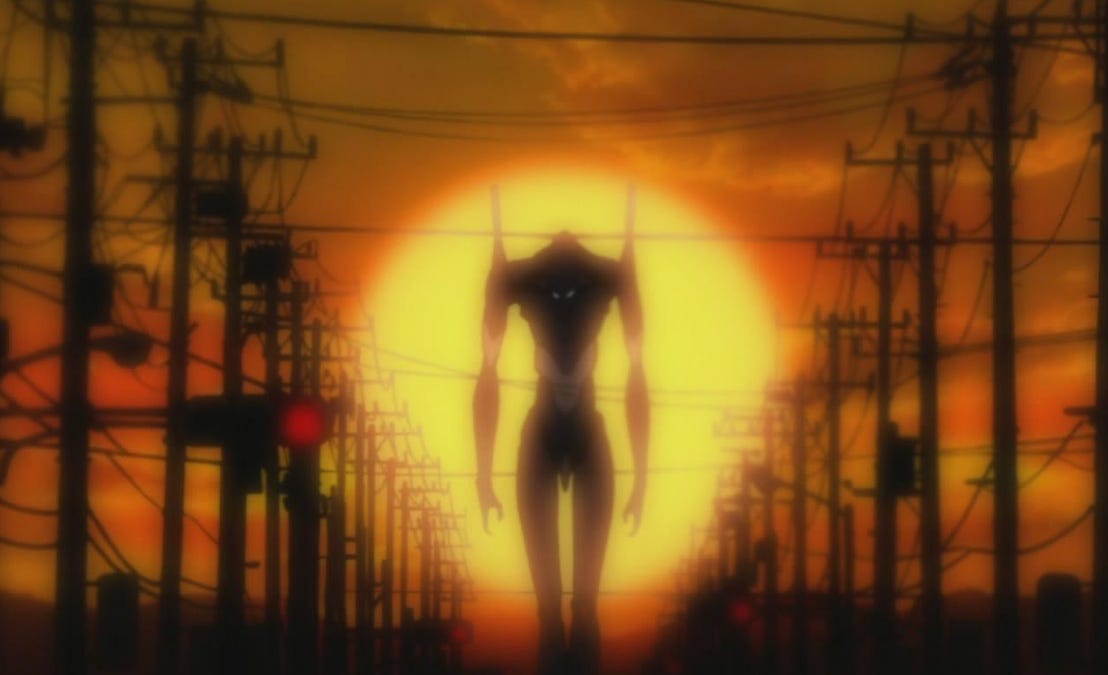
What it takes to make identity usable under pressure. A system that depends on people cannot operate on something unstable.

What it takes to survive a system that never settles. Progress is permission — not a reward for mastery.

What it takes to delete the alternative. Exit is a legacy feature. The ultimate goal of a containment system is the elimination of choice.